In Georgia, a group of cultural figures has initiated a strike that reflects growing tension within the creative sector.
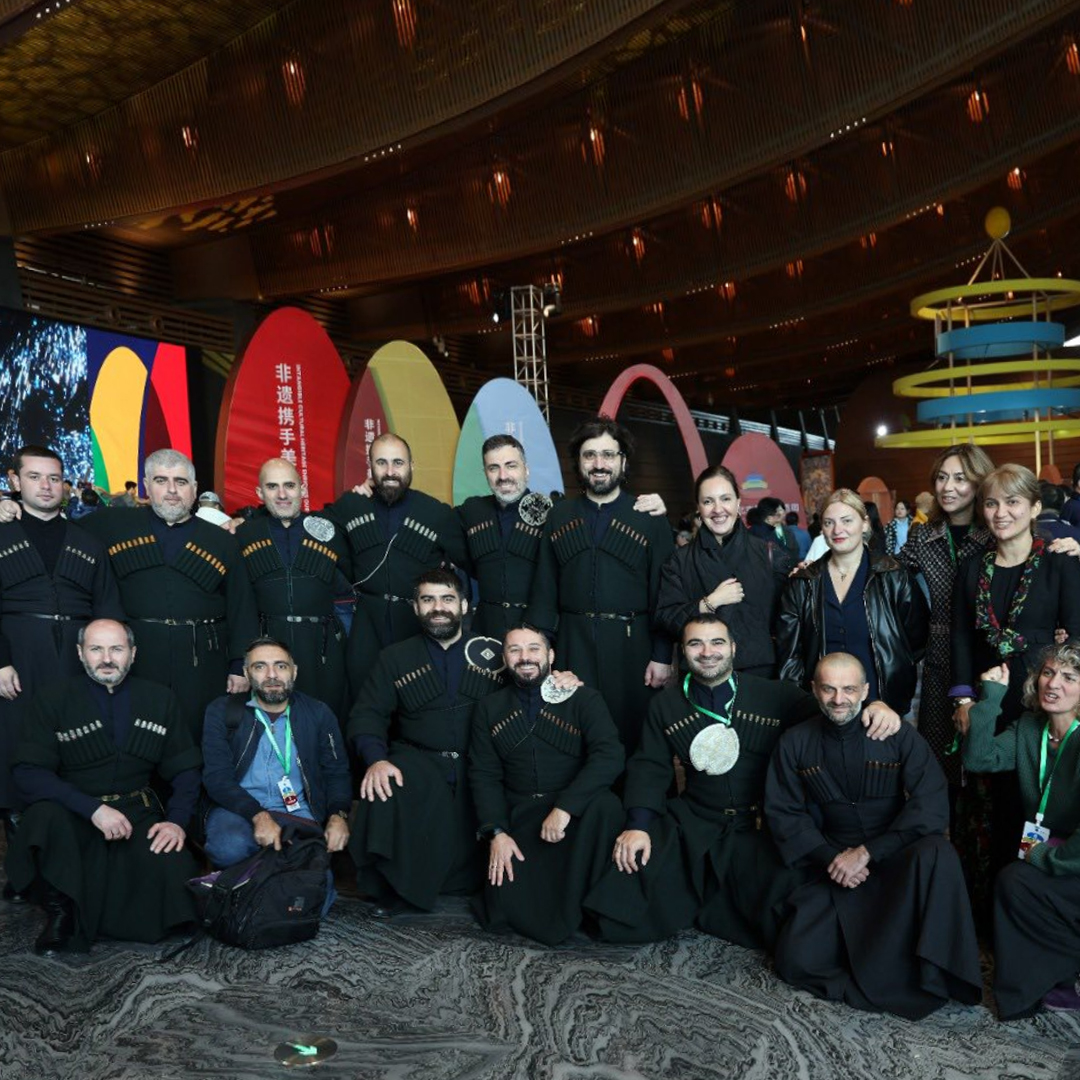
Around ten representatives from the arts and cultural community have publicly declared their participation through social media, turning a personal decision into a visible collective gesture.
Among those involved are Nino Kasradze, Kakha Kintsurashvili, Giorgi Tskhadadze, Vano Tarkhnishvili, Giviko Baratashvili, Tuta Okropiridze, Tamri Okhikiani, Manu Tavadze, Mariam Nadiradze, Natuka Kakhidze, Andro Chichinadze, and Natalia Gabisonia. Their participation signals a shared concern that extends beyond individual disciplines and points to broader structural unease.
The action has gained visibility primarily through digital platforms, where the absence of detailed explanations has not diminished its impact. Instead, the lack of official statements introduces a different kind of narrative. The strike becomes less about declared demands and more about presence, silence functioning as its own form of expression.
Within the context of contemporary culture, such gestures often carry symbolic weight. The decision to withdraw labor or visibility can operate as a statement about value, recognition, and conditions within the creative industries. In this case, the movement unfolds in a space where information remains limited, yet attention continues to grow.
This moment highlights the evolving relationship between artists and public discourse. Social media serves not only as a communication tool but also as a stage where actions are framed, interpreted, and amplified. The strike exists simultaneously as an event and as an image, shaped by those who observe it as much as by those who participate.
While the specific motivations behind the protest remain unclear, its emergence points to underlying dynamics within Georgia’s cultural landscape. The collective nature of the action suggests shared concerns, even if they are not yet articulated. In this sense, the strike operates as an open form, inviting interpretation while maintaining its position as a unified gesture.