The International Intangible Cultural Heritage Week has officially wrapped up in Beijing.
The International Intangible Cultural Heritage Week has officially wrapped up in Beijing, bringing to a close one of the largest global events dedicated to safeguarding and celebrating traditional culture. This year’s edition gathered around forty participating nations and nearly 3,000 representatives from cultural institutions, artisan communities and creative organizations. Throughout the week, more than half a million visitors attended the event, underscoring the growing worldwide interest in authentic cultural practices and cross-cultural dialogue.
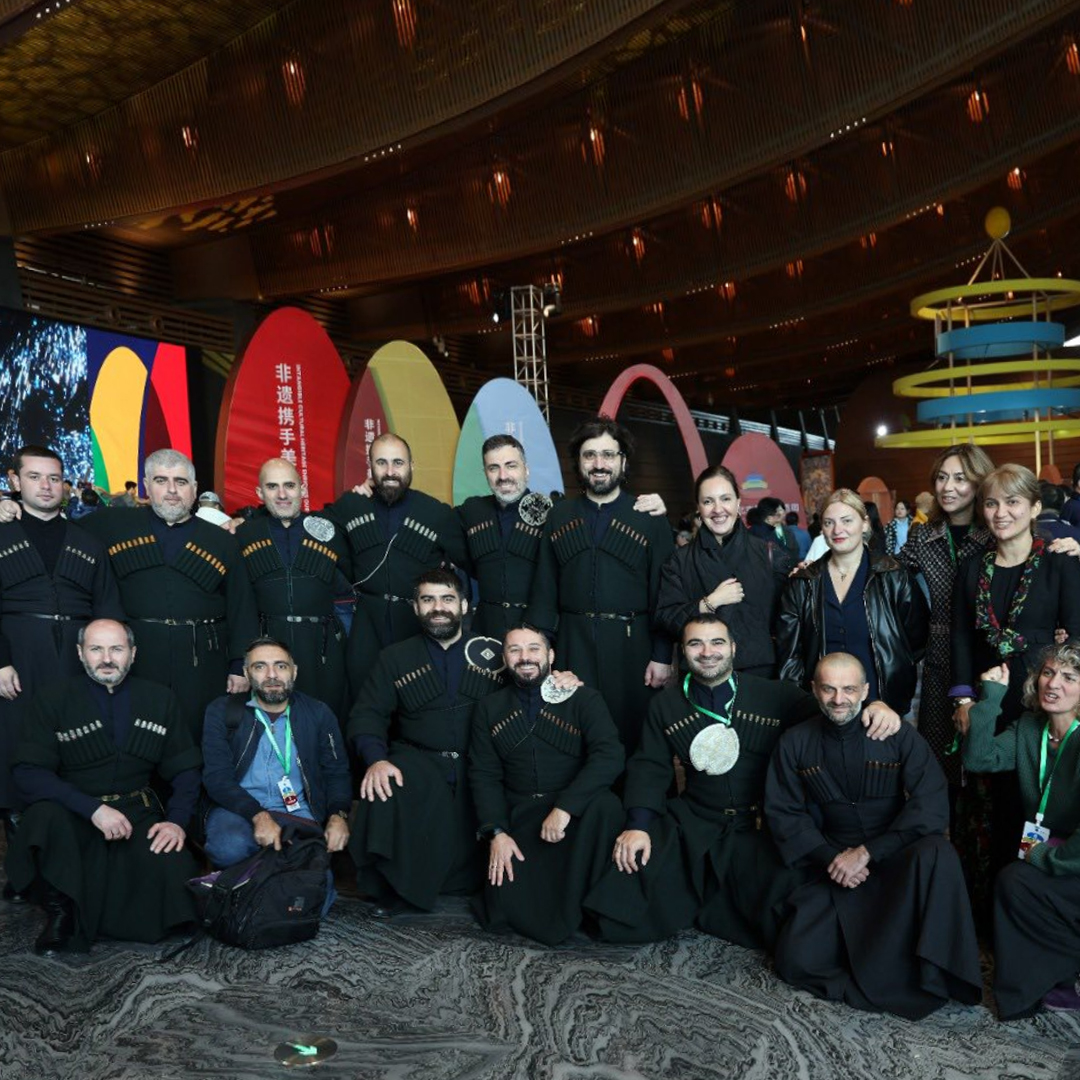
Georgia took part in the international program with a national pavilion designed to showcase the country’s rich and multilayered heritage. The Georgian display featured a wide variety of traditional items, including historical clothing, jewellery, handmade textiles and examples of local craftsmanship. These exhibits offered a visual narrative of how regional techniques and aesthetic principles have been preserved and passed down over centuries. One of the highlights of the pavilion was the presentation of traditional wine vessels, including the iconic qvevri, which represents Georgia’s ancient winemaking culture and stands as one of the country’s most recognizable cultural symbols. Visitors were also introduced to pieces of contemporary applied arts, demonstrating how Georgian artists continue to reinterpret traditional forms within a modern creative context.
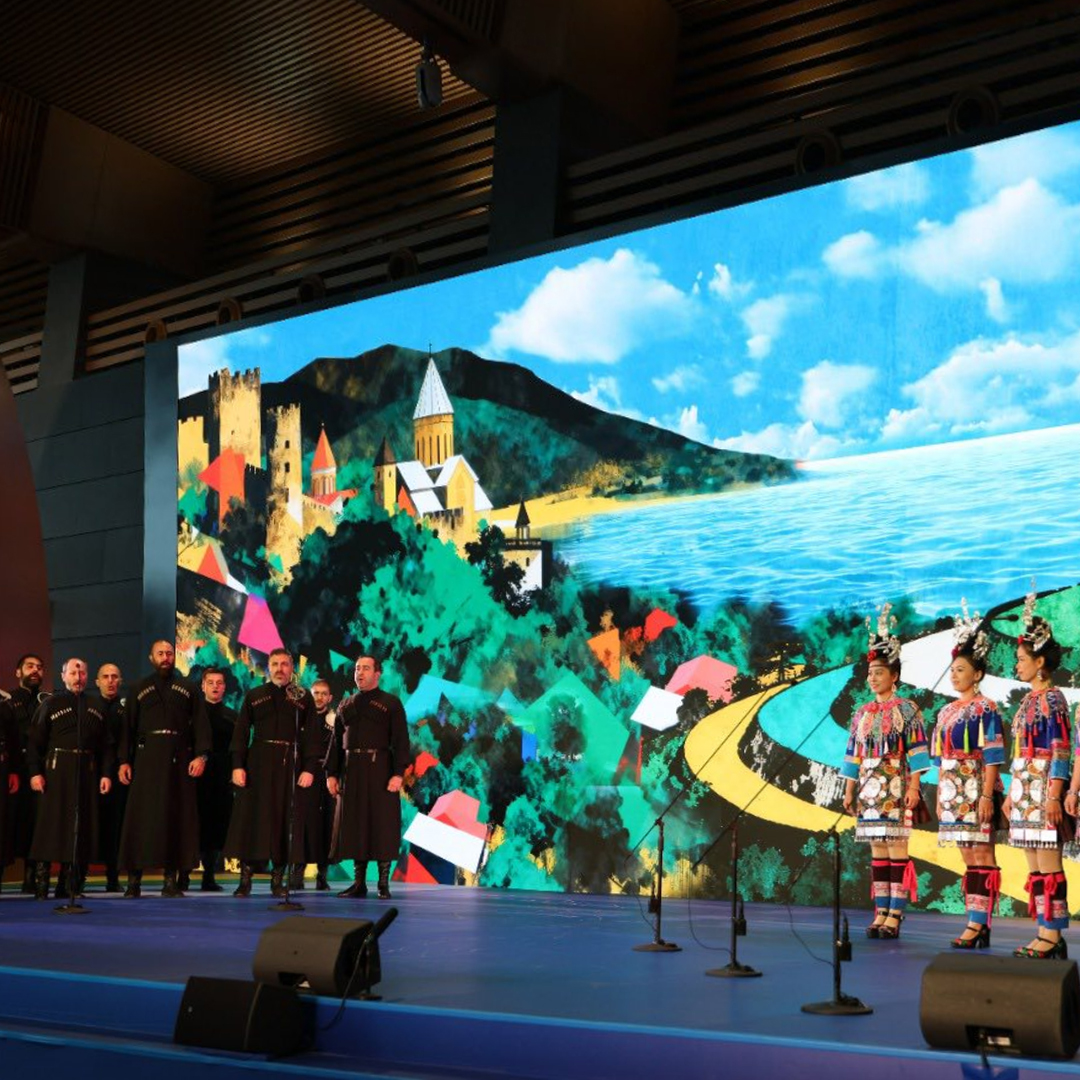
A special cultural program accompanied the exhibition. The folk ensemble “Didgori” performed a concert of Georgian polyphonic music, giving audiences an opportunity to experience one of the country’s most valuable artistic traditions. Their performance, characterized by complex vocal harmonies and expressive storytelling, drew significant attention from international guests. For many visitors, the concert became an immersive introduction to Georgia’s musical heritage, known worldwide for its uniqueness and emotional depth.
According to the organizers, the main purpose of the event was to strengthen global appreciation of traditional arts and encourage cultural exchange between different nations. The festival serves as an important platform for countries to present their intangible heritage – from music and dance to craftsmanship and ritual practices – helping to ensure the continuity of these traditions in the modern world.
Georgia’s participation in this year’s Intangible Cultural Heritage Week not only highlighted the diversity of the nation’s artistic legacy but also reinforced its role on the international cultural stage. The warm reception of the Georgian pavilion and performances demonstrated once again that the country's heritage continues to resonate with audiences far beyond its borders, contributing to broader understanding and cultural cooperation.