Art as Quiet Rebellion: Berlin 2025, Where Galleries Refuse to Shut Up.
This year’s Berlin art season unfolded against a backdrop of intense demonstrations by local cultural workers and institutions protesting major state funding cuts. Yet despite the difficult climate, Berlin Art Week in early September delivered an overwhelming surge of exhibitions, performances, and artistic interventions. In the midst of today’s overlapping crises, this article focuses on shows that adopted a deliberately subversive stance – projects that confronted contemporary challenges head-on and amplified voices usually relegated to the margins.
One example is Savvy Contemporary, which brought together a group of artists examining the struggles of migrants torn between life abroad and the homeland they left behind. Close to Home: Remittance Spaces Between Arrival and Return explored not only how ideas of belonging evolve from generation to generation but also how global economic structures shape migration – particularly through financial remittances and the circulation of goods. What does “home” mean when a person is welcomed nowhere? And why, despite alienation, do people continue to cross borders? For many, migration is less a choice than an act of survival: performing low-paid labor abroad to prevent starvation at home, fleeing authoritarian regimes, saving to build houses for relatives, or securing better futures for their children. Several works in the show were especially striking.
For instance, Akshita Garud of India, working with Avantika Khanna, recreated a lavish banquet table covered with mirrored surfaces and double-ended spoons filled with food from her homeland. The joyful atmosphere evoked by the festive display stood in sharp contrast to the bitter realities of migration underpinning it. Visitors, invited to taste the dishes, were confronted with the complex emotional economy of giving and receiving – each spoonful symbolizing the unspoken expectation of reciprocity. What returns, however, are rarely meals but money: remittances that sustain families while migrants endure exhausting work, degrading conditions, and endless hours. Yet even the harshness of that reality cannot extinguish the comfort that these meals – and the memories they carry – represent.
Another artist, Yairan Montejo (Cinco), used a mural designed like a comic strip to highlight the absurd hurdles migrants face when attempting to send money home. Through humor and his signature cartoon figures, he depicted the maze of bureaucratic obstacles and systemic inequalities embedded in modern financial transfer systems. The work delivered a sharp yet playful commentary on how wealth distribution and institutional inefficiencies turn a simple act into an almost heroic mission.
Tra My Nguyen focused on the textile motifs associated with mass-produced Vietnamese clothing. Her installation Hung the Moon Behind the Curtain featured patterned fabrics stretched across tall, narrow aluminum frames reminiscent of Vietnam’s “tube houses” – vertical structures often financed through remittance income. The materials appeared like delicate curtains marking thresholds between inside and outside, transforming textiles into architectural and emotional symbols. Their beauty subtly contrasted with the exploitative systems of global fashion production and the broader social inequalities of globalization.
Architecture also played a central role in the work of Van Bo Le-Mentzel, an architect born in Thailand and based in Berlin. His Artist Wallidency, a radically minimalist, movable two-story wooden unit measuring 355 cm by 80 cm and 3 meters high, reimagined a furniture container as a living and working space equipped with only essential amenities – a small stove, a desk, a toilet, and an upper sleeping platform. The project functioned as a critique of the excessive luxury and sprawling interiors valued by wealthy Western elites. Le-Mentzel drew inspiration from the life of Buddhist nun Co Hanh Ngo, who lived for years in a tiny room in a Hanover pagoda while remaining active in her community. Through careful saving, she supported her daughter in Laos, who later built a two-story home with a prayer room honoring her mother – ironically echoing the very domestic ideal many migrants sacrifice everything to provide.
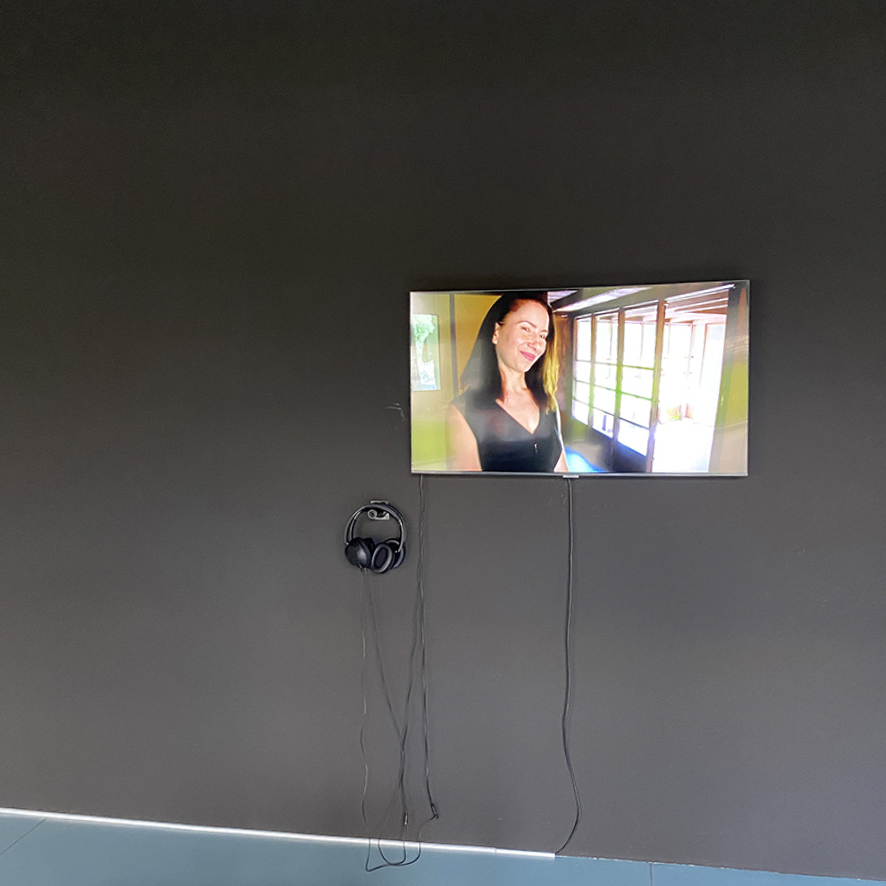
A major highlight of the Berlin season is Andrea Fraser’s exhibition at Nagel Draxler Gallery. Fraser has long examined the emotional and power structures of the art system, and her iconic performance May I Help You? (1991) – presented here in six recordings – remains one of her most incisive works. In it, Fraser (and later, invited performers) embodies various personas within the gallery ecosystem: the persuasive gallerist courting collectors, the frustrated outsider excluded from cultural hierarchies, and the devoted art enthusiast untouched by market logic. Through these shifting roles, she exposes the coded behaviors and rhetorical strategies that construct art’s value. Rather than mocking the system, she reveals how identity, desire, and power shape even the seemingly neutral acts of viewing or purchasing art.
Fraser’s Untitled (2003) pushes this critique into deeply intimate territory. The work documents a real transaction: a collector legally purchased the first edition of a video in which he appears with the artist in a sexual encounter staged within a gallery. The project is not sensationalist; instead, it juxtaposes press materials and exhibition documentation to dissect the historical analogy between art commerce and prostitution. Fraser insists that the man bought an artwork, not the sex itself – an important conceptual distinction that exposes how desire, money, and power intersect within the art market.
Together, these works ask a central question: who determines what art is, and in whose interest? Fraser lays bare how cultural authority is produced and policed, revealing art’s dual capacity to exclude and to create spaces of shared cultural experience. Her practice forces institutions, collectors, and audiences to acknowledge their participation in sustaining these dynamics.
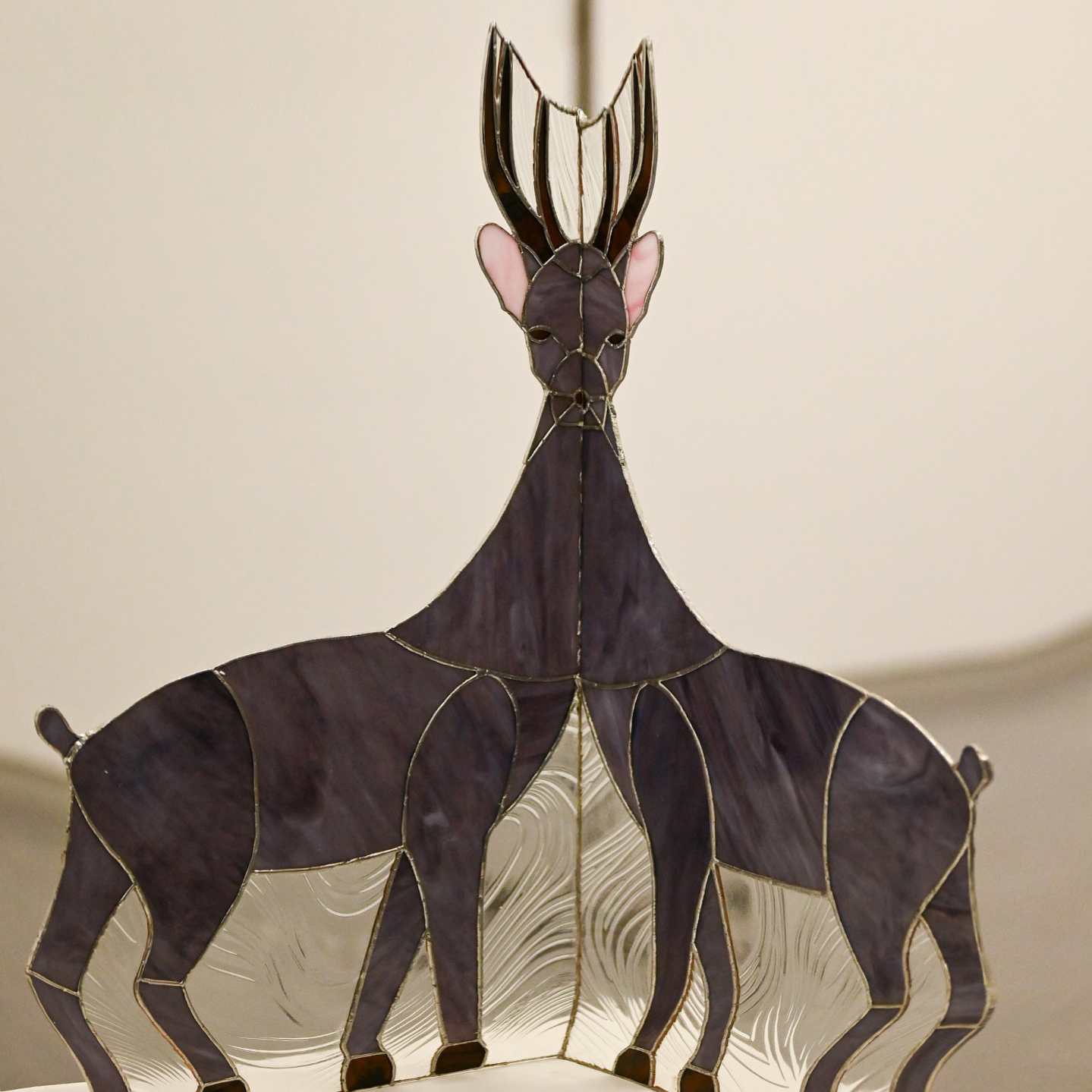
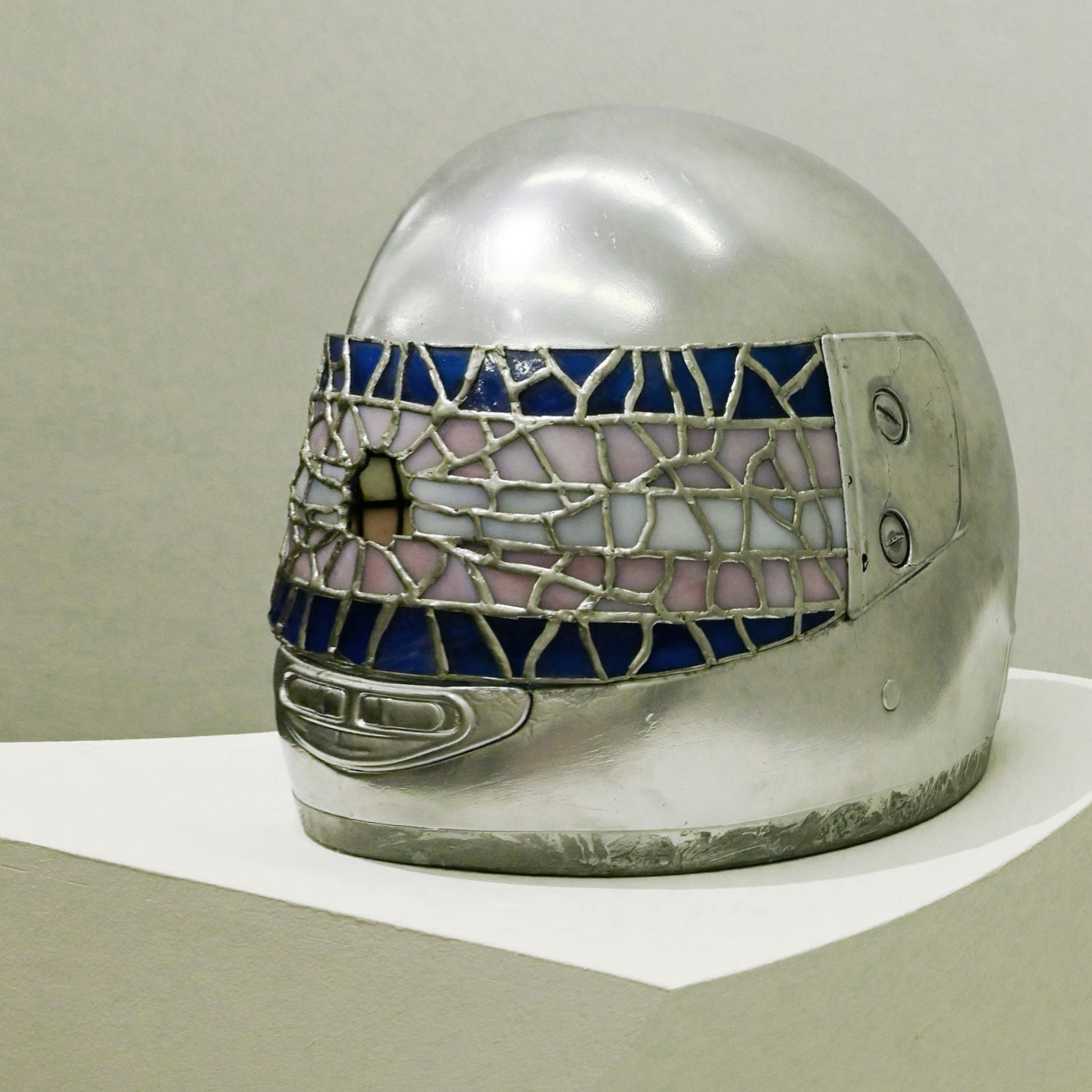
The season also marked a significant milestone for Georgian contemporary art: for the first time in decades, a Georgian artist – David Apakidze – was featured in Berlin Art Week as Kunstverein Ost’s grant recipient and winner of the 2025 Claus Michaletz Prize. His exhibition The Knight at the Crossroads weaves a subtle yet powerful political narrative about the persecution faced by queer communities in Georgia, where exile often becomes the only path to safety. The crossroads serves as a central metaphor – representing uncertainty, forced decisions, and the psychological weight of systemic oppression.
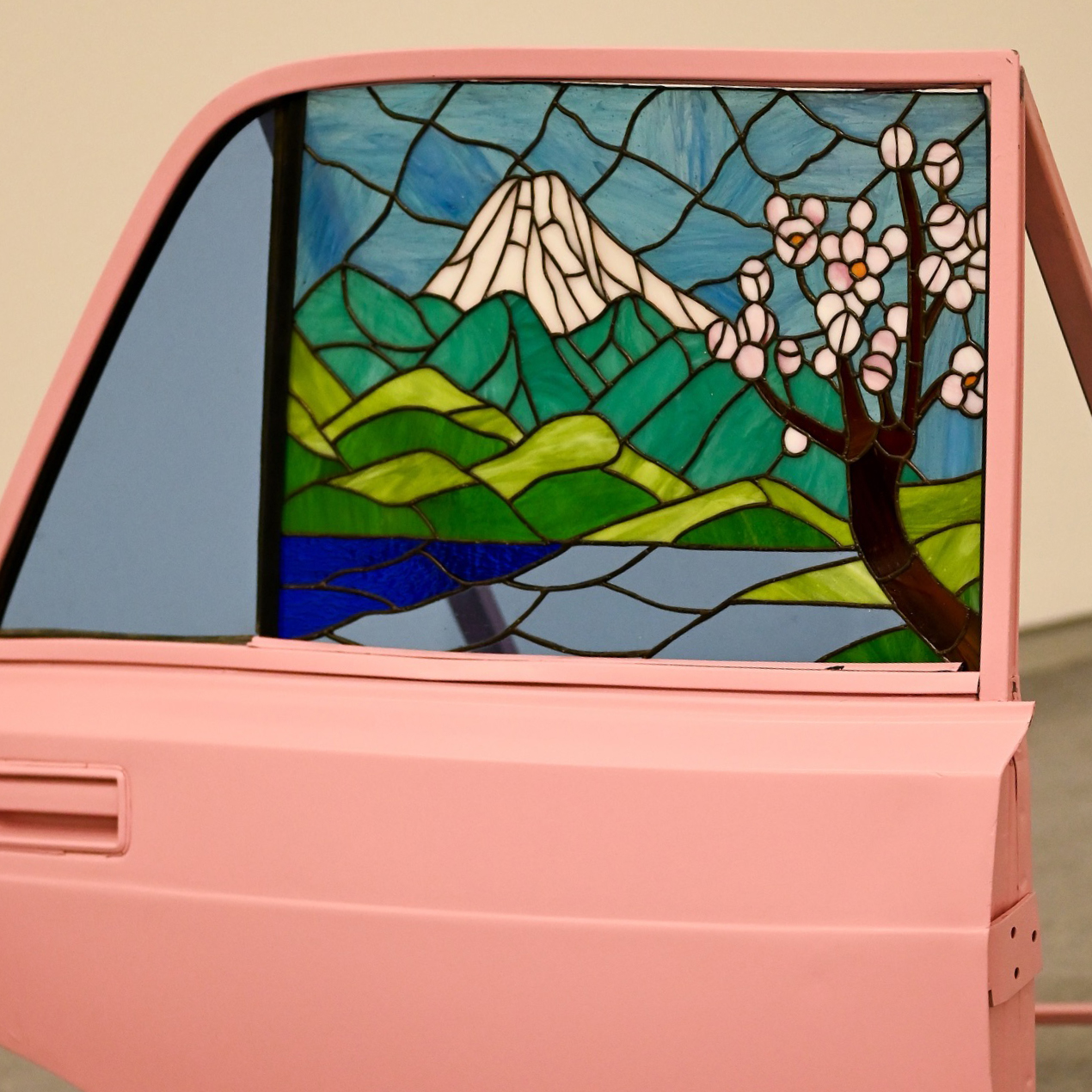
His stained-glass works, delicate in color yet visually sharp, incorporate instantly recognizable elements of Georgian culture: medieval knights, dagger motifs, and splashes of red reminiscent of blood. Through humor and critique, he challenges the violent ideologies embedded in traditional national symbols, exposing how these once-celebrated icons often conceal histories of harm.
By reframing these motifs through a queer lens, Apakidze does not reject cultural heritage but seeks to reshape it – revealing how tradition can evolve when viewed from new perspectives. His work suggests a future in which national identity is no longer a rigid construct but a living, inclusive space capable of embracing complexity and human difference.