Georgia is preparing to welcome the Junior Eurovision Song Contest in 2025, becoming host of the iconic youth music event for the second time in its history.
Georgia is preparing to welcome the Junior Eurovision Song Contest in 2025, becoming host of the iconic youth music event for the second time in its history. The grand final, scheduled for December 13, will gather young singers from eighteen countries. Among them will be Georgia’s own contestant, Anita Abgarian, who earned her place on the stage after winning the national talent programme Ranina.
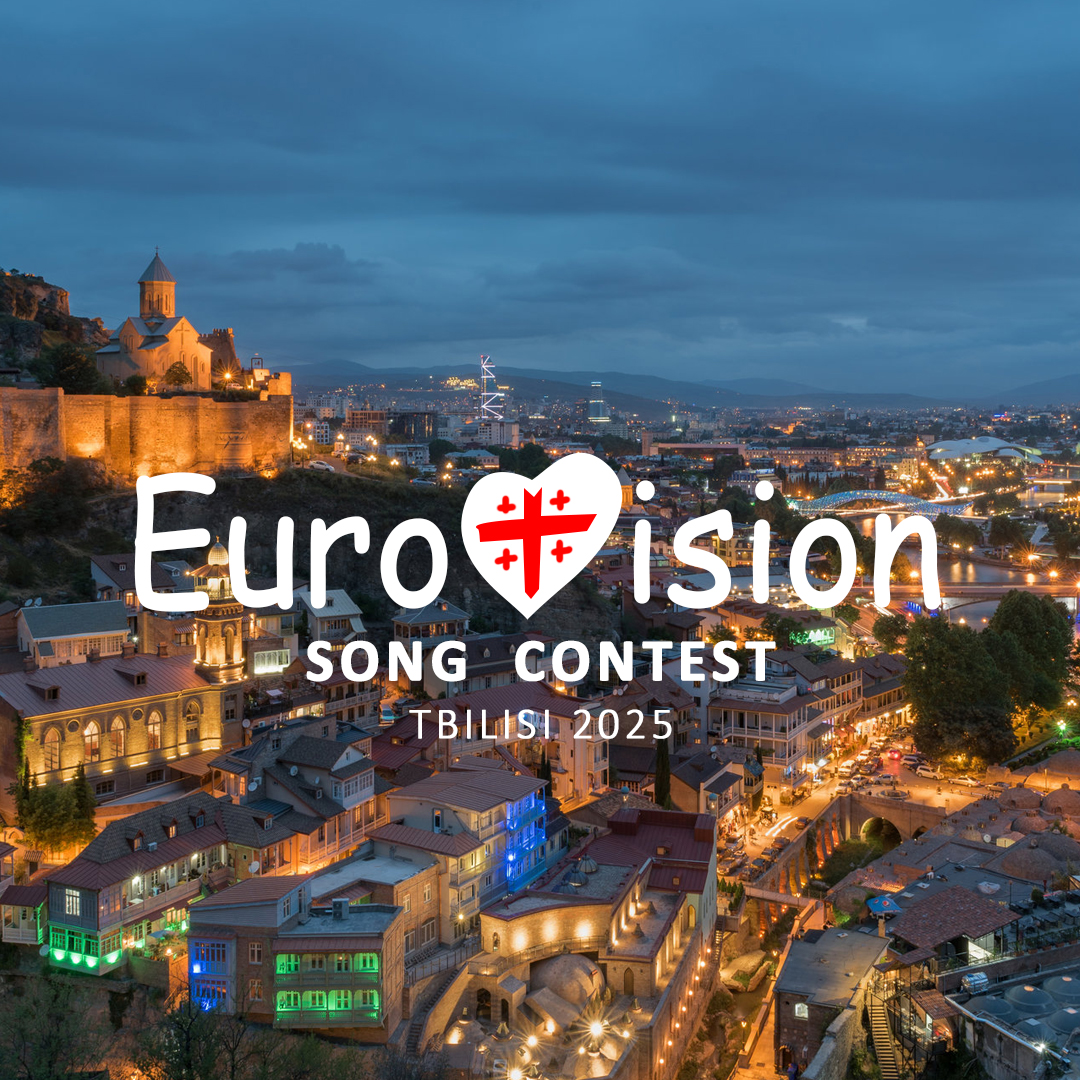
Details about the upcoming event were shared during a joint press briefing held by the Ministry of Culture and the Georgian Public Broadcaster (GPB). Tinatin Berdzenishvili, Director General of GPB, announced that preparations are moving forward at full speed as the country works to deliver what she called Europe’s most significant musical celebration for children.
Berdzenishvili emphasized Georgia’s remarkable standing in the competition, noting that the country has claimed victory at Junior Eurovision four times — more than any other participant in the contest’s history. Hosting the show again, she said, is both an honour and a major responsibility, particularly because the event is dedicated to children and celebrates their artistic potential.
“This is not just one evening performance; it’s an entire week of celebrations beginning on December 1,” she explained. According to Berdzenishvili, two large concerts will take place, each held twice, and up to 3,000 children will attend every show to watch, enjoy, and cast their votes alongside the professional jury. The second concert will be broadcast live by major networks in all eighteen participating nations. “I’m sure this will make the holiday season truly magical for our children,” she added.
She also pointed out the international dimension of the preparations, noting that the European Broadcasting Union’s full organising team is already in Georgia, working closely with local partners on every stage of the production.
Culture Minister Tinatin Rukhadze highlighted the symbolic meaning of hosting the competition again, stressing that no other country has achieved this distinction. She praised the extraordinary abilities of Georgian children, whose performances continue to gain recognition around the world. For her, the contest offers a unique opportunity to showcase Georgia’s culture, creativity, and emerging talent to a global audience.
Rukhadze also outlined the broader benefits of the event. According to her, Junior Eurovision will significantly increase the country’s international visibility and bring substantial economic advantages. “The world’s media will be focused on Georgia during this period. We will appear across European news outlets, and this major European event will contribute to increased tourism and long-term economic development. Artistic talent is part of our European identity — and through culture, we are deeply connected to Europe,” she stated.
Organised each year by the European Broadcasting Union for performers aged 9 to 14, the Junior Eurovision Song Contest has become a major platform for nurturing young musical talent. With four wins to its name, Georgia remains one of the contest’s most successful participants. The country last hosted the event in 2017, and its return as host in 2025 reaffirms its strong and ongoing presence in the Junior Eurovision community.